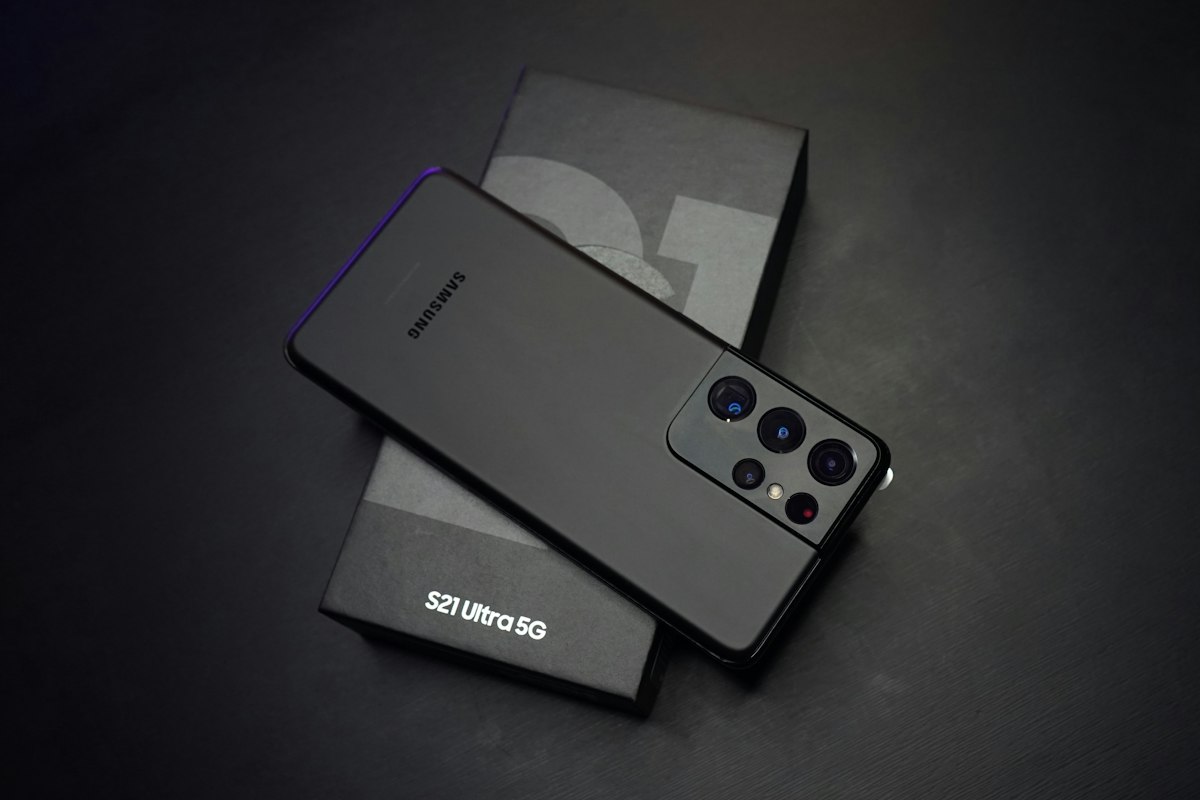
Samsung's Galaxy S26 Edge: A Design U-Turn and its Implications
The latest development in the smartphone industry has Samsung abandoning plans for its Galaxy S26 Edge, marking a significant shift in the company's design philosophy. This move, while disappointing for some, may have broader implications, especially for the tech market in North East India and the broader Indian context.
A Return to Familiar Territory
Instead of releasing the Galaxy S26 Edge, Samsung will focus on a familiar three-phone lineup for 2026: the Galaxy S26, Galaxy S26+, and the Galaxy S26 Ultra. This decision is a departure from the company's recent experimentation with ultra-thin phones, a trend initially started by Samsung itself.
Weak Demand and Unclear Positioning
Reports suggest that the cancellation of the Galaxy S26 Edge is due to weak demand projections and unclear positioning in the market. The ultra-thin smartphones, while engineering marvels, often come with compromises in battery capacity, thermal performance, and overall durability.
The End of a Design Era?
The Edge moniker, representing Samsung's most daring design language, may have seen its last chapter. However, this doesn't necessarily mean the end of innovative designs from Samsung. The company might be refocusing its efforts on refining proven form factors, such as the Galaxy S series and its Galaxy Z series foldables.
Implications for the North East and India
For consumers in North East India and the broader Indian market, this move could mean a shift towards more reliable and durable smartphones, albeit potentially less innovative in design. The focus on meaningful upgrades, such as better cameras, longer battery life, and improved software, could lead to a more satisfying user experience.
Looking Ahead
It's important to note that Samsung's plans are not set in stone, and they could change at any time. For now, the company is playing it safe with the Galaxy S26 series, focusing on the three variants. The upcoming Galaxy S26 and Galaxy S26+ could come with the Exynos 2600 chipset in markets outside of the United States.