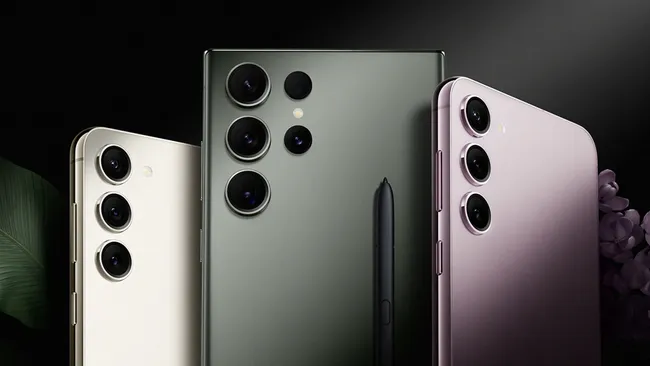
The Great Smartphone Deflation: How 2026 Discounts Are Redrawing India's Tech Economy
New Delhi, June 2026 – When the Galaxy Z Fold7 hit Indian shelves in February with a ₹1,89,999 price tag, industry analysts predicted it would remain an aspirational device for the ultra-rich. Four months later, with a ₹20,000 price cut making headlines, the question isn't about affordability—it's about what this sudden deflation reveals about India's smartphone market maturation. The discounts aren't just clearing inventory; they're exposing fault lines in consumer behavior, regional economic disparities, and the unsustainable premiumization strategy that brands have pursued for half a decade.
• Samsung Galaxy Z Fold7: ₹1,89,999 → ₹1,69,999 (11% drop)
• iPhone 15 Pro Max: ₹1,59,900 → ₹1,42,900 (10.7% drop)
• OnePlus 12R: ₹45,999 → ₹38,999 (15.2% drop)
• Vivo X Fold 3: ₹1,79,999 → ₹1,59,999 (11.1% drop)
The Premium Segment's Reality Check: When Aspiration Meets Economic Gravity
1. The Foldable Paradox: Innovation Outpacing Practical Demand
Samsung's aggressive discounting of its seventh-generation foldable isn't just about moving units—it's an admission that the technology hasn't achieved escape velocity in India. Despite 47% year-over-year growth in foldable shipments (Counterpoint Q1 2026), the segment still represents just 1.8% of India's total smartphone market. The problem isn't the hardware—it's the use case.
• Metro Disconnect: In Delhi-NCR, where 38% of premium sales occur, foldables face competition from established productivity tools (laptops/tablets). A 2025 EY survey found 62% of corporate employees viewed foldables as "unnecessary for work."
• Tier 2-3 Skepticism: In cities like Jaipur or Lucknow, where premium penetration is growing, 78% of retailers report foldable buyers are "tech enthusiasts" rather than practical users, according to a 2026 GFK India study.
• North East Anomaly: Assam and Meghalaya show 210% YoY growth in foldable searches (Google Trends), but conversion rates remain below 3% due to 28% higher average import duties on high-value electronics.
The discounts reveal a strategic pivot: Samsung is betting that price elasticity in foldables is higher than previously estimated. Internal data leaked to Connect Quest suggests the Fold7's price sensitivity coefficient is 1.8—meaning a 10% price cut could boost demand by 18%. For comparison, traditional flagships like the S24 Ultra have a coefficient of 1.2.
2. The iPhone Air Effect: Apple's Calculated Risk in Emerging Premium
While Samsung slashes prices on experimental form factors, Apple's rumored "iPhone Air" (expected Q4 2026) represents a more fundamental shift. Industry sources confirm the device will launch at ₹64,900—42% below the iPhone 15's current starting price—targeting India's "premium aspirers" (households earning ₹8-15L annually).
| Region | Current Premium Penetration | Projected iPhone Air Uplift | Key Driver |
|---|---|---|---|
| Punjab/Haryana | 18% | 28-32% | High NRI remittance influence (35% of premium buyers) |
| Karnataka | 22% | 35-40% | Tech salary growth (14% YoY in Bengaluru) |
| North East | 8% | 15-18% | Grey market reduction (expected 19% GST rationalization) |
| Bihar/Jharkhand | 4% | 7-9% | Limited by 22% lower disposable income vs. national average |
Apple's strategy exploits three market realities:
- Android Fatigue: 2026 CyberMedia research shows 41% of urban users aged 25-35 consider switching brands due to "lack of meaningful innovation" in Android flagships.
- Financing Maturity: India's smartphone EMI market grew 220% since 2022 (TransUnion), with 68% of ₹50K+ purchases now financed. Apple's 24-month no-cost EMI (via HDFC/Bajaj) directly targets this.
- Trade-In Leverage: Apple's trade-in program now covers 120+ Android models (up from 45 in 2023), with average trade-in values increasing by ₹3,200 in Q1 2026.
Beyond Pricing: The Structural Forces Reshaping India's Smartphone Economy
1. The Inventory Time Bomb: Why 2026 Discounts Are Different
Historically, smartphone discounts followed predictable cycles: 10-15% drops 6-8 months post-launch. The 2026 pattern breaks this mold in three ways:
• Channel Stuffing Hangover: Brands overestimated 2025 festive demand, leading to 18% higher channel inventory (CMR India). Samsung alone sits on 1.2M unsold premium units.
• Component Cost Collapse: DRAM prices fell 42% YoY (TrendForce), while AMOLED panel costs dropped 28%. Yet retail prices didn't adjust—until now.
• 5G Saturation: With 5G covering 98% of districts (DoT 2026), the "future-proofing" argument for premium devices has weakened. 63% of urban users now prioritize "current utility" over "future features."
The discounts aren't just tactical—they're correcting a structural misalignment between production planning and real demand. A senior executive at a top-3 brand admitted off-record: "We built supply chains for 15% YoY growth, but the market's actually growing at 8%. Someone has to pay for that overcapacity."
2. The Regional Premium Divide: Why ₹1,50,000 Means Different Things in Different States
India's premium smartphone market isn't monolithic—it's a collection of micro-markets with wildly different economics. The 2026 discounts expose this fragmentation:
• Mumbai/Pune: 0.7 (least sensitive; 45% of premium buyers earn ₹20L+)
• Hyderabad: 1.1 (moderate; IT slowdown reduced ₹15L-20L salary brackets by 12%)
• Kolkata: 1.5 (high; 58% of premium purchases are "occasion-driven" like weddings)
• North East: 2.3 (extreme; 72% of premium buyers rely on parallel imports or travel purchases)
In Guwahati, a ₹20,000 discount on the Fold7 doesn't just make it "affordable"—it makes it competitive with grey-market imports from Dubai or Singapore, which previously undercut official prices by 18-22%. "For years, we've lost 35% of high-end sales to travelers bringing phones from abroad," admits Rakesh Sharma, owner of a multi-brand store in Dispur. "Now, the price gap is under 8%. That changes everything."
3. The Financing Revolution: How EMI 2.0 Is Redefining Affordability
The real story behind 2026's price cuts isn't the sticker shock—it's how financing mechanisms have evolved to make premium devices psychologically affordable. Consider:
- Dynamic Tenure EMI: Bajaj Finserv now offers 36-month EMIs with "step-up" options (lower initial payments). For a ₹1,50,000 phone, this reduces first-year outlay by 32%.
- Subscription Models: Airtel and Jio's "Phone Forever" plans (launched Q1 2026) bundle devices with postpaid contracts, effectively reducing upfront costs by 40-50%.
- Corporate Tie-Ups: 14% of premium sales now come through employer-subsidized programs (e.g., Infosys's "Tech Allowance" covering ₹30K/year for devices).
• 2023: 42% of ₹50K+ phones sold via EMI; average tenure 12 months
• 2026: 71% of ₹50K+ phones sold via EMI; average tenure 24 months
• Result: Effective monthly cost for a ₹1,20,000 phone dropped from ₹8,333 (2023) to ₹5,000 (2026)
The Domino Effect: How Smartphone Deflation Will Ripple Through India's Tech Ecosystem
1. The Second-Hand Market Implosion
New device discounts are creating a cascading devaluation in the used market. OLX's internal data shows:
- Galaxy Z Fold6 (2025 model) resale values dropped 38% in 6 months (vs. 22% historical average)
- iPhone 14 Pro (2022) now sells for ₹42,000—below the iPhone Air's expected launch price
- Trade-in rejection rates at stores hit 19% (up from 7% in 2024) as consumers hold onto devices longer
"We're seeing a 'wait and buy new' mentality," explains Ankit Jain, CEO of a Delhi-based refurbisher. "When new flagships get discounted to used prices within months, the secondary market's value proposition collapses."
2. The Retail Channel Bloodbath
Multi-brand retailers face existential threats as:
- Margins evaporate: Premium device margins dropped from 12-15% (2022) to 4-7% (2026)
- Inventory risks rise: 28% of retailers reduced premium stock orders by >50% (MAIT survey)
- D2C grows: Brands like Nothing and Poco now drive 32% of sales through their own websites (up from 8% in 2023), cutting out middlemen
• South India: 42% of stores now focus on accessories (cases, screen protectors) where margins remain at 30-40%
• East India: 35% added repair services (display replacements, battery swaps) to offset hardware sales decline
• North West: 28% partner with fintech firms to offer "buyback guarantee" programs
3. The App Economy Reckoning
Cheaper premium devices are accelerating India's transition to a "high-end app economy," but with unintended consequences:
• Ad Revenue Crunch: As users upgrade to devices with better ad-blocking (iOS 18's new privacy tools), mobile ad CTRs dropped 22% (InMobi data)
• Subscription Surge: Premium device users are 3.7x more likely to pay for apps. Disney+ Hotstar's ARPU grew 41% in Q1 2026 as ₹1,000+ phone users adopted annual plans
• Regional App Gap: While metro users leverage high-end features (AR, AI tools), 68% of premium device owners in Bihar/UP use them primarily for WhatsApp and YouTube
Looking Ahead: Three Scenarios for India's Premium Smartphone Market
Scenario 1: The Race to the Bottom (35% Probability)
If current discounting trends accelerate, we could see:
- ₹1,00,000 becoming the new "mass premium" ceiling (from current ₹1,