AI Assistants in the Digital Age: Siri's Evolution and Regional Impact
Introduction
The landscape of digital assistants is undergoing a significant transformation, with artificial intelligence (AI) at the forefront of this evolution. Apple's Siri, one of the pioneering AI assistants, has recently undergone substantial upgrades, promising more intuitive and responsive interactions. However, the rollout of these enhancements is not uniform across all regions, raising questions about accessibility and the digital divide. This article delves into the broader implications of Siri's evolution, focusing on its regional impact, particularly in areas like North East India, where smartphone penetration is on the rise.
Main Analysis: The Broader Implications of AI Assistants
The integration of AI into digital assistants like Siri represents a paradigm shift in how users interact with technology. These advancements are not just about enhancing user experience; they also have profound implications for digital literacy, economic opportunities, and social inclusion. As AI assistants become more sophisticated, they have the potential to bridge gaps in education, healthcare, and business operations, particularly in regions with limited access to traditional resources.
However, the benefits of AI assistants are not evenly distributed. Factors such as internet connectivity, language support, and device compatibility play crucial roles in determining who can access these technologies. In regions like North East India, where internet penetration is still developing, the full potential of AI assistants may not be realized without targeted interventions. Understanding these challenges is essential for policymakers, educators, and technology providers to ensure that the benefits of AI are accessible to all.
The Evolution of AI Assistants: A Historical Perspective
The journey of AI assistants began with simple voice commands and has evolved into complex, context-aware systems capable of understanding and responding to nuanced user queries. Siri, introduced by Apple in 2011, was one of the first mainstream AI assistants, setting the stage for competitors like Google Assistant and Amazon's Alexa. Over the years, these assistants have become more integrated into daily life, handling tasks ranging from setting reminders to controlling smart home devices.
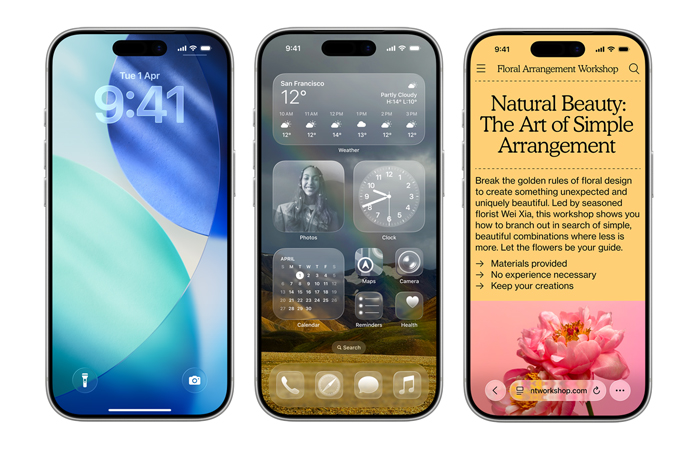
The latest iteration of Siri AI, introduced with iOS 18 in 2024, represents a significant leap forward. This version aims to address previous limitations by offering more conversational and responsive interactions. Users can now engage in open-ended questions, ongoing voice chats, and tasks that span across apps and files. A dedicated Siri app further streamlines these interactions, making it akin to other AI-powered assistants.
Enhanced Features and Their Practical Applications
The new Siri AI brings several notable enhancements that have practical applications in various sectors. For instance, the ability to customize the expressiveness and pace of Siri's voice adds a personal touch to interactions, making the assistant more relatable and user-friendly. This feature is particularly beneficial in educational settings, where personalized learning experiences can enhance engagement and retention.
Additionally, the more accurate dictation feature of Siri AI can revolutionize healthcare and business operations. In regions with limited access to medical professionals, AI assistants can provide preliminary medical advice and reminders for medication, thereby improving health outcomes. Similarly, in business settings, accurate dictation can streamline documentation processes, increasing efficiency and productivity.
Examples of Regional Impact
The impact of AI assistants like Siri is particularly evident in regions with rapid smartphone penetration, such as North East India. According to recent data, smartphone usage in this region has increased by 30% over the past year, driven by affordable devices and improved internet connectivity. However, the benefits of AI assistants are not uniformly distributed due to several challenges.
Challenges in North East India
One of the primary challenges in North East India is the digital divide, which refers to the gap between those who have access to digital technologies and those who do not. While urban areas have seen significant improvements in internet connectivity, rural regions still lag behind. This disparity limits the accessibility of AI assistants, as they require stable internet connections to function optimally.
Language support is another critical factor. AI assistants like Siri are primarily designed to understand and respond to English and a few other major languages. In a region as linguistically diverse as North East India, where numerous local dialects are spoken, the lack of language support can be a significant barrier. Efforts to integrate local languages into AI assistants can enhance their usability and relevance in these regions.
Success Stories and Potential
Despite these challenges, there are success stories that highlight the potential of AI assistants in North East India. For example, in the state of Assam, AI assistants have been used to provide educational content in local languages, improving literacy rates among children. Similarly, in healthcare, AI assistants have been employed to disseminate information about disease prevention and treatment, particularly during the COVID-19 pandemic.
These success stories demonstrate the transformative potential of AI assistants when tailored to the specific needs of a region. By addressing the challenges of internet connectivity, language support, and device compatibility, AI assistants can play a pivotal role in bridging the digital divide and promoting social inclusion.
Conclusion
The evolution of AI assistants like Siri represents a significant milestone in the digital age. While these advancements offer numerous benefits, their impact is not uniform across all regions. In areas like North East India, challenges such as the digital divide, language support, and device compatibility must be addressed to ensure that the benefits of AI are accessible to all. By focusing on these areas, policymakers, educators, and technology providers can harness the full potential of AI assistants to promote digital literacy, economic opportunities, and social inclusion.
As AI technology continues to evolve, it is crucial to ensure that these advancements are inclusive and accessible. By doing so, we can create a future where AI assistants like Siri not only enhance user experience but also contribute to a more equitable and connected world.