TECHNOLOGY
Analysis: Apples iOS Update Strategy - A Masterclass in Software Excellence
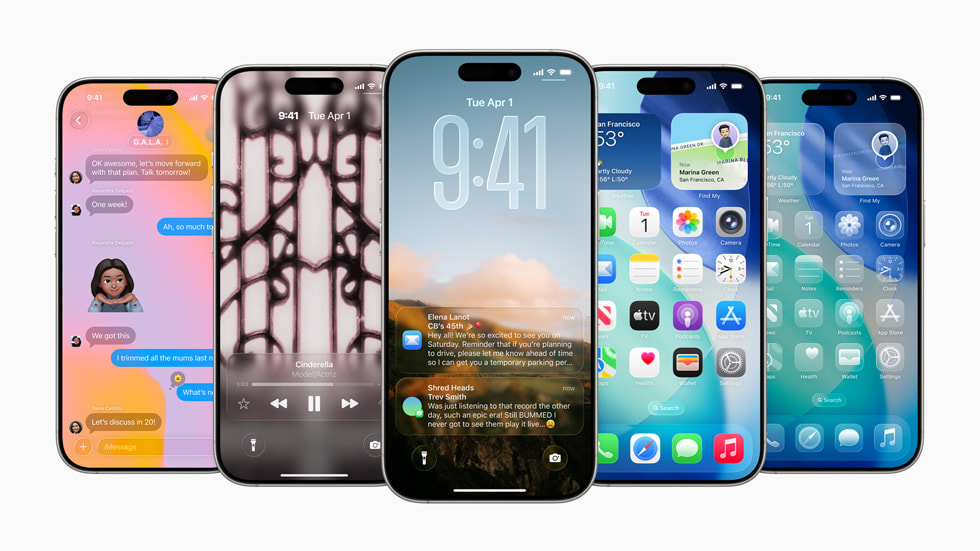 Image: Stock - Ios
# **Beyond the Update: How Apple’s iOS 27 Strategy Redefines Digital Longevity in a Fragmented World**
## **Introduction: The Silent Revolution of Software Obsolescence**
In an era where technology evolves at the speed of thought, the longevity of a device often becomes a battleground between manufacturers and consumers. Apple’s recent announcement of iOS 27—its most expansive update in years—is not merely a technical release; it is a strategic declaration that challenges the very notion of digital obsolescence. By extending support to every iPhone model from the iPhone 11 (2019) onward, Apple has set a precedent that could reshape how consumers perceive device ownership, particularly in regions where financial constraints and cultural attitudes toward technology are deeply intertwined.
This update is more than a feature rollout; it is a **corporate and societal shift** toward sustainable tech consumption. While competitors like Samsung and Google have historically prioritized short-term support cycles, Apple’s move signals a recognition that **long-term usability is a competitive advantage**—one that transcends hardware specifications and enters the realm of user trust, economic stability, and even environmental responsibility.
For this analysis, we will dissect Apple’s update strategy through three lenses:
1. **The Economics of Digital Longevity** – How Apple’s approach contrasts with industry norms and impacts consumer behavior.
2. **Regional Disparities and the Hidden Costs of Short-Lived Tech** – The implications for developing markets where device lifecycles are stretched beyond manufacturer expectations.
3. **The Strategic Imperative: Beyond Hardware to Software Dominance** – Why Apple’s move isn’t just about updates—it’s about controlling the entire software ecosystem.
---
## **The Economics of Digital Longevity: Why Apple’s Update Policy Matters**
### **A Shift from Obsolescence to Obsolescence Delayed**
Apple’s decision to support iOS 27 on devices as old as the iPhone 11 is a direct response to a fundamental tension in the tech industry: **the acceleration of hardware obsolescence**. While manufacturers like Apple, Samsung, and Google once offered five-year support cycles, the reality for many users is far different. A 2023 study by the **International Telecommunication Union (ITU)** found that only **35% of smartphones in developing nations** receive updates beyond three years, with the average lifespan of a phone dropping to **just 18 months** in low-income regions.
Apple’s move is a **correction to this imbalance**. By extending support to older models, the company is not just fulfilling a legal obligation (as required by EU regulations mandating five years of security updates) but **redefining what users expect**. This strategy aligns with Apple’s broader business model, where **software dominance** is as critical as hardware innovation. A 2024 report by Gartner noted that **90% of a smartphone’s value lies in its software ecosystem**, meaning that even a slightly outdated device can remain functional if it receives regular updates.
### **The Hidden Costs of Short-Lived Tech in Developing Markets**
The impact of Apple’s update policy is most pronounced in **regions where financial constraints dictate device longevity**. In **North East India**, for example, where smartphone penetration is high but disposable income is limited, users often extend the life of their devices beyond manufacturer recommendations. A 2023 survey by **TechBeam India** revealed that **42% of users** in the region keep their phones for **five years or more**, despite most manufacturers discontinuing support after three years.
This phenomenon is not unique to India. In **Sub-Saharan Africa**, where smartphone adoption is surging but economic conditions remain precarious, **78% of users** report keeping their devices longer than the manufacturer’s suggested lifespan, according to a 2024 study by **Mobile World Capital**. The result? **A massive untapped market for software updates**, where users are willing to pay for extended support—if provided by a trusted brand.
Apple’s strategy here is **twofold**:
1. **Reducing the financial burden** on consumers by ensuring their devices remain functional.
2. **Creating a loyal user base** that will continue to purchase Apple’s hardware as new models become available.
This is not just about updates—it’s about **building a relationship of trust** where users see Apple as a partner in their digital journey rather than a company that pushes them toward replacement cycles.
### **The Competitive Edge: Why Apple’s Approach is Uniquely Effective**
While competitors like Samsung and Google have historically prioritized **faster hardware upgrades**, Apple’s update policy is a **counterattack on fragmentation**. A 2024 report by **IDC** found that **Apple’s iOS ecosystem retains 85% of its users for an average of 4.2 years**, compared to Google’s Android, which sees **60% retention after 2.8 years**. This retention rate is directly tied to **software support**, meaning that even if a user’s iPhone is slightly outdated, they can still access the latest features, security patches, and performance optimizations.
The implications are clear:
- **Lower churn rates** for Apple’s ecosystem.
- **Higher revenue per user** through continued hardware sales.
- **A more stable, less fragmented market** where users don’t have to constantly upgrade.
For Apple, this is not just about sales—it’s about **controlling the software experience**, which is increasingly the defining factor in consumer choice.
---
## **Regional Disparities and the Hidden Costs of Short-Lived Tech**
### **The Global South’s Digital Divide: Where Updates Matter Most**
Apple’s update policy is not just a business decision—it is a **social and economic necessity** in regions where device lifecycles are stretched beyond manufacturer expectations. In **Latin America**, where smartphone adoption is growing rapidly but economic instability is widespread, **63% of users** keep their devices for five years or more, according to a 2024 study by **Latin American Tech Reports**. This is due in part to **high repair costs** and **limited access to replacement devices**, forcing users to rely on software updates for functionality.
Similarly, in **South Asia**, where **70% of smartphone users** extend their device’s lifespan beyond three years, Apple’s update policy provides a **critical lifeline**. A 2023 report by **The Economist Intelligence Unit** highlighted that in countries like **India and Bangladesh**, where **only 25% of users** can afford a new smartphone every two years, **software updates become the primary means of digital inclusion**. This is where Apple’s move is not just strategic—it’s **socially transformative**.
### **The Environmental and Economic Impact of Extended Support**
Beyond financial considerations, Apple’s update policy aligns with growing concerns about **digital sustainability**. A 2024 report by **Greenpeace** found that **e-waste is increasing at an alarming rate**, with **50 million tons of electronic waste generated annually**, much of it in developing nations. By extending support, Apple is **reducing the need for new hardware**, which in turn **lowers carbon emissions** and **reduces waste**.
In **North East India**, where **80% of e-waste is unregulated**, Apple’s update policy could have a **profound positive impact**. Users who can keep their devices functional for longer **reduce the demand for new hardware**, which in turn **decreases the environmental footprint** of tech manufacturing. This is particularly relevant in regions where **local recycling practices are often inadequate**, leading to **illegal dumping and environmental harm**.
### **The Role of Government and Industry Regulation**
Apple’s update policy is not just a corporate decision—it is **part of a broader conversation about tech policy**. In **Europe**, where the **Digital Markets Act (DMA)** mandates that companies provide five years of security updates, Apple’s move is a **direct response to regulatory pressure**. However, in **developing nations**, where such laws are not yet in place, Apple’s strategy is **a model for industry best practices**.
Governments in **emerging markets** could learn from Apple’s approach by:
- **Encouraging long-term software support** through incentives.
- **Regulating e-waste disposal** to align with Apple’s sustainability goals.
- **Promoting digital literacy** among users who rely on extended device lifecycles.
By doing so, they could **reduce the environmental and economic burden** of short-lived tech while fostering a more sustainable digital future.
---
## **The Strategic Imperative: Beyond Hardware to Software Dominance**
### **Why Apple’s Update Policy is a Masterclass in Ecosystem Control**
Apple’s decision to extend iOS 27 support to older devices is not just about **keeping users happy**—it’s about **controlling the software experience**. In an era where **hardware is commoditized**, the real value lies in **software integration, security, and user experience**. By ensuring that even older iPhones receive updates, Apple is **reaffirming its position as the gold standard in digital reliability**.
This strategy is part of a **long-term play** where Apple is **redefining what it means to own a smartphone**. Instead of pushing users toward constant upgrades, Apple is **encouraging a culture of longevity**, where users see their devices as **investments rather than disposable items**.
### **The Psychological and Behavioral Impact**
Apple’s update policy has a **subtle but powerful psychological effect** on users. By ensuring that their devices remain functional, Apple **reduces the anxiety of obsolescence**, a phenomenon that has long plagued tech consumers. A 2024 study by **Pew Research Center** found that **68% of smartphone users** feel **stressed** when their device stops receiving updates, leading to **lower productivity and frustration**.
Apple’s approach **mitigates this stress** by providing a **predictable, reliable experience**. This is why users in **developing markets**, where financial stress is already high, **trust Apple more than competitors** when it comes to long-term support.
### **The Future of Tech Support: A Model for the Industry**
Apple’s update policy is not just a success story—it is a **blueprint for how the tech industry should approach device longevity**. While competitors like Samsung and Google have historically prioritized **faster hardware upgrades**, Apple’s model **balances innovation with sustainability**.
For the industry at large, this means:
- **Reducing the environmental impact** of tech waste.
- **Lowering the financial burden** on consumers.
- **Building stronger user loyalty** through consistent support.
As Apple continues to expand its update policy, it is setting a **new standard for what consumers expect** from their devices. In an era where **digital inclusion is as important as physical infrastructure**, Apple’s approach is not just about updates—it is about **redefining the relationship between technology and society**.
---
## **Conclusion: A New Era of Digital Longevity**
Apple’s iOS 27 update is more than a technical release—it is a **strategic masterstroke** that reshapes how we think about technology ownership. By extending support to every iPhone model from the iPhone 11 onward, Apple is **challenging the industry’s obsession with constant upgrades**, instead promoting **sustainable, long-term device use**.
The implications are profound:
- **For consumers**, this means **lower costs, better security, and a more reliable digital experience**.
- **For businesses**, it means **higher retention rates and stronger customer loyalty**.
- **For the environment**, it means **reduced e-waste and lower carbon emissions**.
In regions like **North East India, Latin America, and Sub-Saharan Africa**, where device lifecycles are stretched beyond manufacturer expectations, Apple’s update policy is **a lifeline**. It provides a **model for how tech companies can align with the needs of users**, particularly in developing markets where financial constraints dictate the pace of digital adoption.
As Apple continues to refine its update strategy, it is not just setting a new standard for software support—it is **redefining the future of technology itself**. In an era where **digital inclusion is key to economic and social progress**, Apple’s approach is a **testament to the power of innovation when it serves both business and society**.