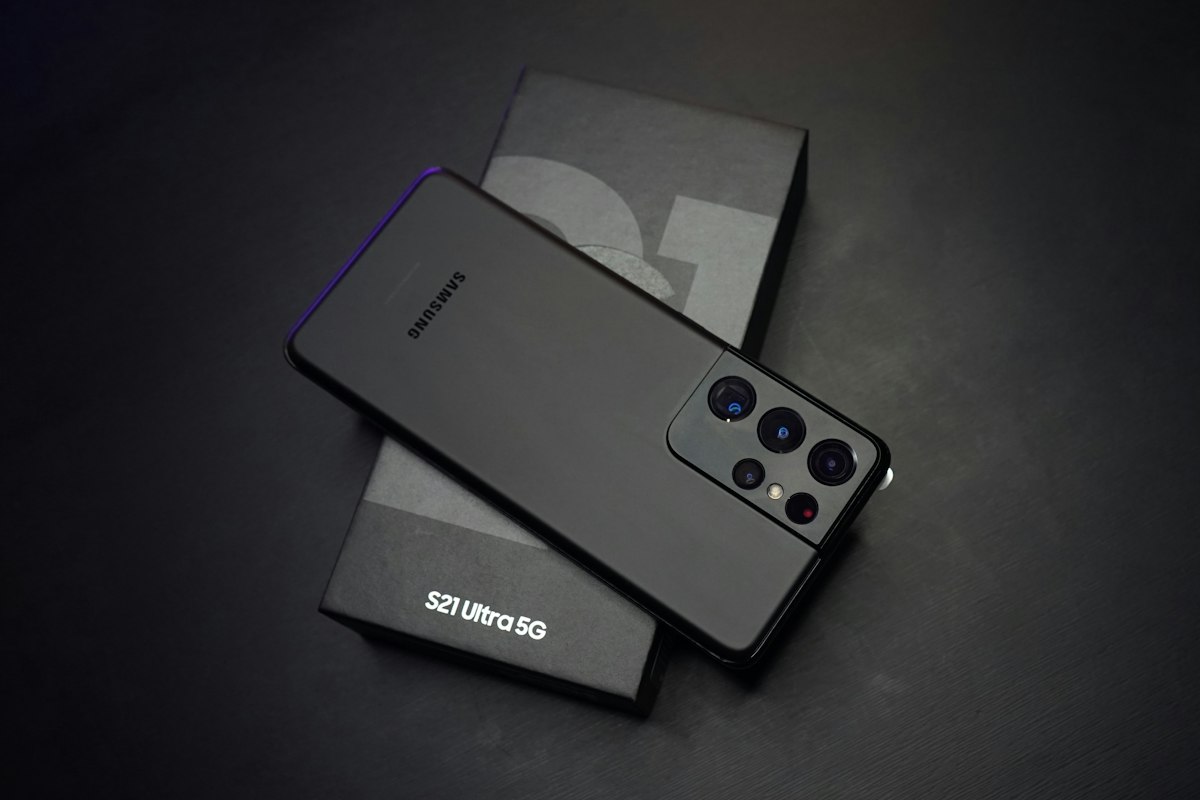
Introduction: The Significance of Samsung s Wireless Charging Dilemma
Samsung s Galaxy S26 series, a flagship product in one of the world s most competitive smartphone markets, has sparked renewed debate over wireless charging technology. Despite industry-wide momentum toward the Qi2 standard, Samsung s decision to forgo built-in magnets in its 2026 flagship models raises questions about innovation priorities and user experience. This move, confirmed by reliable leaker Ice Universe, impacts not only global consumers but also regions like India s North East, where smartphone adoption is rapidly expanding. Understanding the technical, strategic, and market implications of this decision is critical for assessing its long-term consequences.
Strategic Shifts in Samsung s Wireless Charging Approach
Samsung s 2025 flagships notably omitted Qi2 magnets, a design choice that persisted into the 2026 lineup. While early leaks suggested the Galaxy S26 Ultra would integrate native Qi2 support, recent evidence indicates a continuation of the previous year s strategy. Instead of embedding magnets, Samsung plans to offer first-party magnetic cases and a Qi2.2-compatible charging puck. This approach mirrors Apple s MagSafe ecosystem but diverges from the industry s push for standardized, built-in wireless charging solutions.
The decision reflects a balancing act between technical constraints and market demands. While magnetic cases enable accessory compatibility, they introduce an extra layer of cost and inconvenience. For users in regions with limited access to premium accessories, this could amplify the gap between flagship and mid-tier devices. Samsung s reliance on external solutions also highlights its cautious stance toward adopting new standards, a trend observed in its historical approach to features like 5G integration.
Technical Trade-offs and User Experience Challenges
The absence of built-in Qi2 magnets has tangible implications for performance and usability. The Qi2.2 standard promises 25W wireless charging, a significant leap from the 15W speeds of earlier versions. However, achieving this without embedded magnets remains unclear, as the technology relies on precise alignment between the device and charger. Users will likely face the same alignment frustrations that plagued early wireless charging adopters, undermining the convenience promised by faster speeds.
Another critical factor is the S Pen. Speculation suggests that built-in magnets could interfere with the stylus s functionality, a feature heavily marketed to Galaxy S26 Ultra users. This technical trade-off underscores Samsung s prioritization of core product features over peripheral enhancements. For consumers in the North East, where productivity tools like styluses are increasingly valued for education and business, this compromise could influence purchasing decisions.
Broader Industry Trends and Competitive Landscape
Samsung s choice to delay native Qi2 support contrasts with Apple s MagSafe strategy, which has streamlined accessory ecosystems but faced criticism for proprietary lock-in. Meanwhile, Android competitors like Xiaomi and OnePlus have begun integrating Qi2 magnets into their flagship models, positioning themselves as more user-friendly alternatives. This divergence in approaches could reshape market dynamics, particularly in price-sensitive regions like India, where consumers weigh hardware capabilities against affordability.
The Wireless Power Consortium (WPC) s Qi2 Ready label further complicates the landscape. While it acknowledges the use of external magnets for compatibility, it does not resolve the underlying issue of fragmented adoption. For developers and accessory manufacturers, this inconsistency creates hurdles in designing universally compatible products. In India, where third-party accessories dominate due to cost considerations, such fragmentation could stifle innovation and consumer trust.
Regional Relevance: Implications for India and the North East
India s smartphone market, the second-largest globally, presents a unique context for Samsung s decision. With over 500 million Android users and a growing middle class, the country is a battleground for market share. Samsung s dominance in premium segments accounting for nearly 30% of sales in 2025 means its choices directly impact consumer expectations. In the North East, where smartphone penetration is rising but infrastructure for premium accessories remains underdeveloped, the reliance on magnetic cases could deter adoption of flagship models.
Local tech retailers and service providers also face challenges. The need for additional accessories increases costs, which may be passed on to consumers. Moreover, rural and semi-urban areas with limited access to high-speed internet and charging infrastructure could see slower uptake of 25W wireless charging, even if the technology becomes widespread in urban centers. This disparity risks exacerbating the digital divide within the region.
Conclusion: Balancing Innovation and Practicality
Samsung s Galaxy S26 series highlights the delicate balance between cutting-edge technology and real-world usability. While the company s decision to prioritize the S Pen over native Qi2 support is understandable from an engineering perspective, it risks alienating users who value seamless wireless experiences. As the smartphone industry evolves, the success of such strategies will depend on how well companies like Samsung adapt to regional needs and global standards. For North East India, where affordability and accessibility are paramount, the coming months will test whether this trade-off aligns with the aspirations of a tech-savvy but cost-conscious consumer base.