The Commonwealth Games 2026: A Cultural and Economic Catalyst for India's Northeast
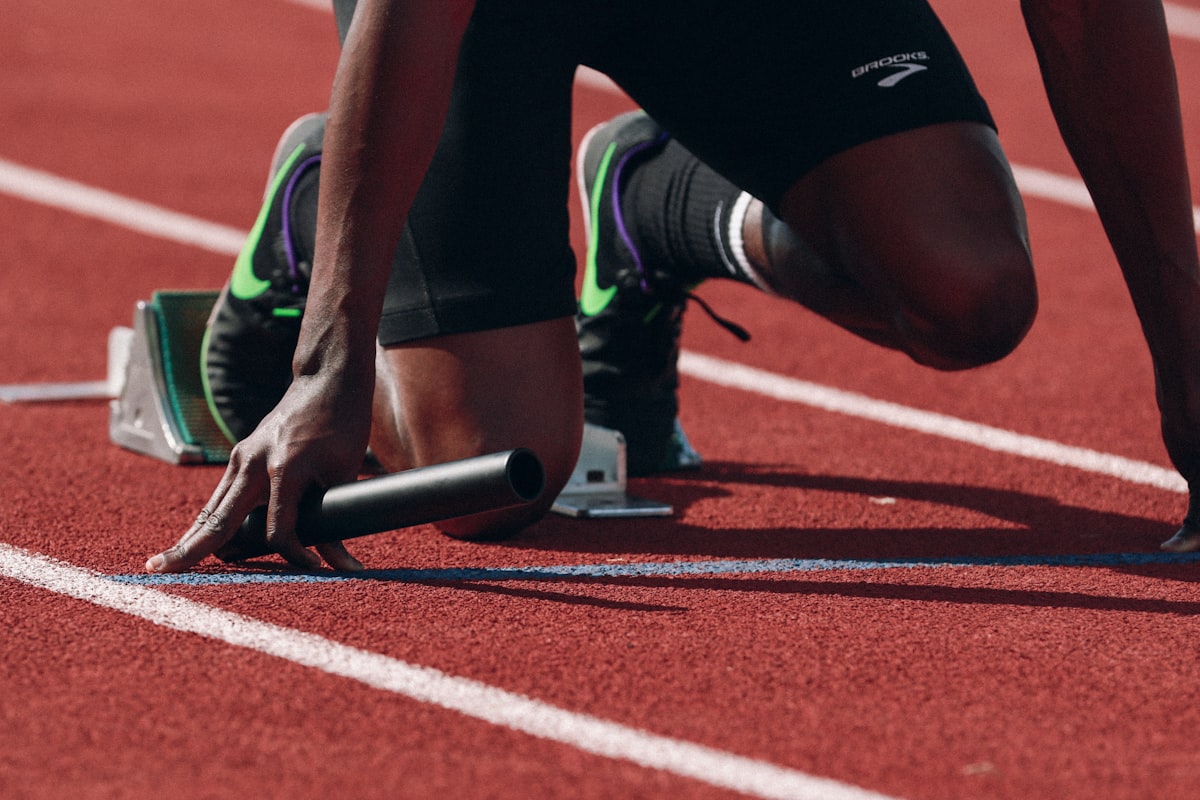
The closing ceremony of the 2026 Commonwealth Games in Glasgow on August 2nd was not merely a grand finale to a three-week athletic festival; it was a symbolic handover, a baton passed from one global stage to another. As the Indian delegation received the Commonwealth Games Federation (CGF) flag, the world’s attention shifted eastward—toward Ahmedabad, India, host of the 2030 Games. This transition represents more than a change in geography; it signals a recalibration of the Games’ role in global sport, diplomacy, and regional development. For India’s Northeast—a region often overlooked in national narratives—the CWG 2026 closing ceremony was more than a cultural spectacle. It was a harbinger of opportunity.
While the sporting feats in Glasgow captured headlines—with Australia, England, and Canada dominating the medal table—India’s sixth-place finish with 30 medals, including 12 golds, marked a quiet revolution. Athletes from weightlifting, boxing, athletics, and judo broke records and captured imaginations. Yet beyond the podiums lies a deeper narrative: one of regional potential. The Northeast, with its rich cultural tapestry and untapped talent, stands at the threshold of transformation. The CWG’s legacy, beginning with a closing ceremony in Glasgow and culminating in Ahmedabad, could redefine the region’s identity, economy, and global standing.
The Commonwealth Games are not just about sport—they are about legacy. From the moment the flag is handed over, the host nation inherits not only the prestige of the event but also the responsibility to leverage it for national and regional development. For India, the 2030 Games present an unprecedented opportunity to shine a light on the Northeast, a region of 46 million people, 220 ethnic groups, and a GDP per capita 30% below the national average.
The Commonwealth Games as a Geopolitical Mirror: Power, Prestige, and Participation
The 2026 Commonwealth Games were a microcosm of the modern Commonwealth: diverse, competitive, and increasingly inclusive. With 74 nations competing across 215 events in 10 sports, the Games showcased both athletic excellence and diplomatic nuance. Australia led the medal table with 178 medals, followed by England (155) and Canada (128). India’s 30 medals—including 12 golds—placed it sixth, a significant improvement from its 16th-place finish in 2018.
This rise is not accidental. Over the past decade, India has invested heavily in grassroots sports, particularly in disciplines like wrestling, boxing, and weightlifting—sports with strong cultural roots in the Northeast. States like Manipur, Mizoram, and Assam have produced world-class athletes, yet systemic challenges—poor infrastructure, limited funding, and geographic isolation—have stifled broader development. The CWG 2026 medal table is a reflection not only of athletic progress but of policy shifts: the Khelo India initiative, which has infused over ₹1,200 crore ($144 million) into grassroots sports since 2018, and the creation of 200+ Khelo India Centres across the country.
Yet participation rates tell another story. While India sent a record 215 athletes to Glasgow, only 12 were from the Northeast—despite the region being home to over 6% of India’s population. This disparity underscores a critical gap: the disconnect between national policy and regional implementation. The CWG 2026 closing ceremony was a reminder that the Games are not just a stage for elite athletes but a platform for inclusive growth. For the Northeast, inclusion is not optional—it is essential.
The Northeast: A Region on the Rise—But Still Waiting for Its Moment
The Northeast Indian states—Arunachal Pradesh, Assam, Manipur, Meghalaya, Mizoram, Nagaland, Sikkim, and Tripura—are home to some of the most biodiverse landscapes in the world and a population known for resilience and cultural vibrancy. Yet, the region faces persistent challenges: limited connectivity, underdeveloped infrastructure, and a brain drain that sees young talent migrate to cities like Delhi or Mumbai in search of opportunity.
Sport, however, offers a unique pathway. Manipur, for instance, has produced Olympic medalists like Mirabai Chanu (silver in weightlifting, Tokyo 2020) and world champions in boxing and judo. Mizoram’s football team has risen through the ranks of Indian domestic leagues, while Assam’s archery traditions have produced national champions. These successes are not isolated—they are evidence of a sporting ecosystem waiting to be scaled.
According to the Ministry of Youth Affairs and Sports, only 3% of India’s total sports infrastructure is located in the Northeast. Of the 300-odd stadiums and training centres funded under the Khelo India scheme, fewer than 20 are in the region. This imbalance is not just a matter of equity; it is a missed opportunity. The CWG 2026 closing ceremony in Glasgow was a global stage—and India’s Northeast was largely absent from it. By 2030, that must change.
If sport is the language of aspiration, then infrastructure is its grammar. Without world-class training facilities, coaches, and support systems, even the most talented athletes from the Northeast will struggle to compete on the global stage. The CWG 2030 presents India with a chance to correct this imbalance—not as an act of charity, but as a strategic investment in national unity and global prestige.
From Glasgow to Ahmedabad: The Diplomacy of the Games
The Commonwealth Games are often described as the “friendly Games”—a title that reflects their emphasis on camaraderie, cultural exchange, and soft power. Unlike the Olympics, which are dominated by a handful of nations, the CWG includes 56 member nations, many of which are small island states or post-colonial societies. This inclusivity makes the Games a powerful tool for diplomacy, particularly for emerging powers like India.
The handover ceremony in Glasgow was not just a ritual; it was a diplomatic statement. As Indian officials raised the CGF flag, they also assumed responsibility for delivering a Games that would reflect India’s ambition and diversity. Ahmedabad, Gujarat’s largest city, is a strategic choice. With a population of over 8 million, it boasts modern infrastructure, a strong industrial base, and a history of hosting major events like the 2019 FIFA U-17 World Cup. Yet, like many Indian cities, it faces challenges: air pollution, traffic congestion, and social inequality.
For the Northeast, Ahmedabad’s selection is a double-edged sword. On one hand, it signals that India is ready to host the Games at scale. On the other, it risks sidelining the very region that could benefit most from the spotlight. The solution? Integration. The 2030 Games must be a “pan-India” event—not just confined to Gujarat. This could mean hosting preliminary rounds, cultural festivals, or even training camps in the Northeast. Imagine archery competitions in Imphal, boxing clinics in Guwahati, or football tournaments in Aizawl—each tied to the larger narrative of the Games. Such decentralization would not only showcase the region’s talent but also create economic ripple effects: tourism, job creation, and infrastructure development.
The Economic Engine: Beyond the Opening and Closing Ceremonies
Hosting the Commonwealth Games is a high-stakes economic gamble. While the 2018 Gold Coast Games generated AUD 3.4 billion ($2.3 billion) in economic impact and created 25,000 jobs, the 2014 Glasgow Games delivered £520 million ($650 million) in economic benefits and boosted tourism by 20% in the following year. For India, the 2030 Games are projected to generate over ₹1.5 lakh crore ($18 billion) in economic activity, according to a study by the Indian Institute of Management Ahmedabad.
But economic benefits are not automatic—they depend on planning, inclusivity, and long-term vision. The Northeast, with its strategic location bordering China, Myanmar, Bhutan, and Bangladesh, is ideally positioned to become a logistics and tourism hub. The proposed ₹6,000 crore ($720 million) Northeast Connectivity Project aims to improve road, rail, and air links across the region. Pairing this with sports tourism could create a multiplier effect: athletes and spectators traveling to the Northeast could boost local economies, from homestays in Meghalaya to adventure tourism in Arunachal Pradesh.
Consider the case of Kerala, which hosted the 2015 South Asian Games. The event generated ₹1,200 crore ($144 million) in revenue and led to the development of 12 new stadiums. Yet, without a clear post-Games strategy, many facilities fell into disuse. To avoid this pitfall, India must adopt a “legacy-first” approach. This means designing venues with multipurpose use—sports complexes that double as community centres, stadiums that host concerts and cultural events, and training facilities that remain operational long after the Games conclude.
The true legacy of the Commonwealth Games is not measured in medals or ceremonies—it is measured in the lives changed and communities transformed. For the Northeast, the 2030 Games could be the catalyst that turns potential into progress. But this requires more than infrastructure; it demands a cultural shift—a recognition that sport is not just entertainment, but a tool for social and economic development.
The Cultural Tapestry: Sport as a Bridge Between Communities
Sport in the Northeast is more than competition; it is identity. In Manipur, the game of polo traces its origins to the 18th century, played on ponies by royalty. In Nagaland, traditional wrestling (khon) is a communal event, blending sport with storytelling. In Mizoram, football is a unifying force, with nearly 1 in 5 youth participating in organized leagues.
The CWG 2026 closing ceremony in Glasgow featured a fusion of Scottish and Indian cultural performances, a nod to the Games’ role in cultural diplomacy. Yet, the Northeast’s rich traditions were barely represented. By 2030, the opening ceremony in Ahmedabad must tell a different story—one that celebrates the region’s diversity, from the martial arts of Assam to the bamboo dance of Nagaland. Such representation is not symbolic; it is strategic. It positions India not as a monolithic entity, but as a pluralistic nation with a vibrant regional identity.
Cultural exchange also extends to the athletes themselves. The CWG 2026 Village in Glasgow housed 6,500 athletes from 74 nations. For many, it was their first exposure to India. Imagine, then, the impact of hosting athletes in the Northeast—of introducing them to local cuisine, music, and hospitality. Such interactions foster goodwill and could pave the way for future partnerships in education, tourism, and trade.
The Role of Media and Narrative: Shaping Perceptions Beyond the Podium
Media coverage of the Commonwealth Games often focuses on medal tallies and record-breaking performances. While this is understandable, it risks reducing the Games to a numbers game. The real story lies in the narratives—the athlete from a remote village who overcame poverty, the coach who trained in a makeshift facility, the community that rallied behind its team.
For the Northeast, media representation is critical. A 2023 study by the Centre for Media Studies found that only 2% of national news coverage in India focuses on the Northeast. This lack of visibility perpetuates stereotypes and marginalizes the region. The CWG 2030 presents an opportunity to change this. Broadcasters like Star Sports and Sony Pictures Networks, which hold broadcasting rights for the Games, must prioritize storytelling from the Northeast. Documentaries on local athletes, live broadcasts from Guwahati or Shillong, and social media campaigns highlighting regional cultures could shift perceptions.
Consider the case of Mary Kom, the boxing legend from Manipur. Her journey from a small village to Olympic glory has inspired millions. Yet, her story is often framed as an exception rather than a template. By amplifying such narratives, the media can help create a culture where sport is seen as a viable pathway to success—not just for the privileged, but for all.
Conclusion: The 2030 Games as a Catalyst for Change
The Commonwealth Games 2026 closing ceremony was more than a finale; it was a promise. A promise that the Games would evolve from a sporting event into a force for social and economic transformation. For India’s Northeast, this promise is particularly urgent. The region is rich in talent, culture, and strategic value—but it lacks the infrastructure, investment, and visibility to realize its potential.
The CWG 2030 in Ahmedabad must be a turning point. It must be a Games that is not just hosted in India, but one that is truly of India—celebrating its diversity, empowering its regions, and redefining its global image. This requires a multi-pronged approach:
- Investment in Infrastructure: Building world-class training facilities, stadiums, and connectivity in the Northeast. The proposed ₹6,000 crore Northeast Connectivity Project must be fast-tracked, with sports infrastructure integrated into urban planning.
- Inclusive Participation: Ensuring that athletes from the Northeast are not just participants, but medal contenders. This means targeted funding, coaching programs, and grassroots initiatives in weightlifting, boxing, and football.
- Cultural Integration: Making the Northeast a focal point of the Games—not just in sports, but in culture. From opening ceremonies to tourism packages, the region must be positioned as a must-visit destination.
- Legacy Planning: Designing venues and programs that have a lasting impact. Sports complexes should serve as community hubs, and training facilities should remain operational post-Games.
- Media and Narrative Shift: Using the Games as a platform to showcase the Northeast’s talent, culture, and potential. This means prioritizing regional stories in broadcast and digital media.
The Commonwealth Games have the power to change lives. They have the power to unite communities, boost economies, and redefine national narratives. For India’s Northeast, the 2030 Games are not just an opportunity—they are a responsibility. A responsibility to ensure that the baton passed in Glasgow does not end in Ahmedabad, but continues to the farthest corners of the nation, where the next generation of athletes, leaders, and dreamers are waiting.
In the end, the legacy of the Commonwealth Games is not measured in gold medals, but in the lives transformed. For the Northeast, the 2030 Games could be the spark that ignites a new era of growth, pride, and possibility. The question is not whether India can host a successful Games—but whether it will use this moment to uplift a region that has for too