The Evolving Landscape of Ransomware: Reynolds and Beyond
Introduction
The digital age has ushered in an era of unprecedented connectivity and innovation, but it has also brought with it a darker side: cybercrime. Among the myriad threats that organizations face today, ransomware stands out as one of the most pernicious and financially devastating. The recent emergence of the Reynolds ransomware, with its sophisticated evasion tactics, serves as a stark reminder of the ever-evolving nature of cyber threats. This article delves into the broader implications of such advanced ransomware, focusing on the practical applications and regional impact, particularly in the North East region of India.
Main Analysis
The Rise of Sophisticated Ransomware
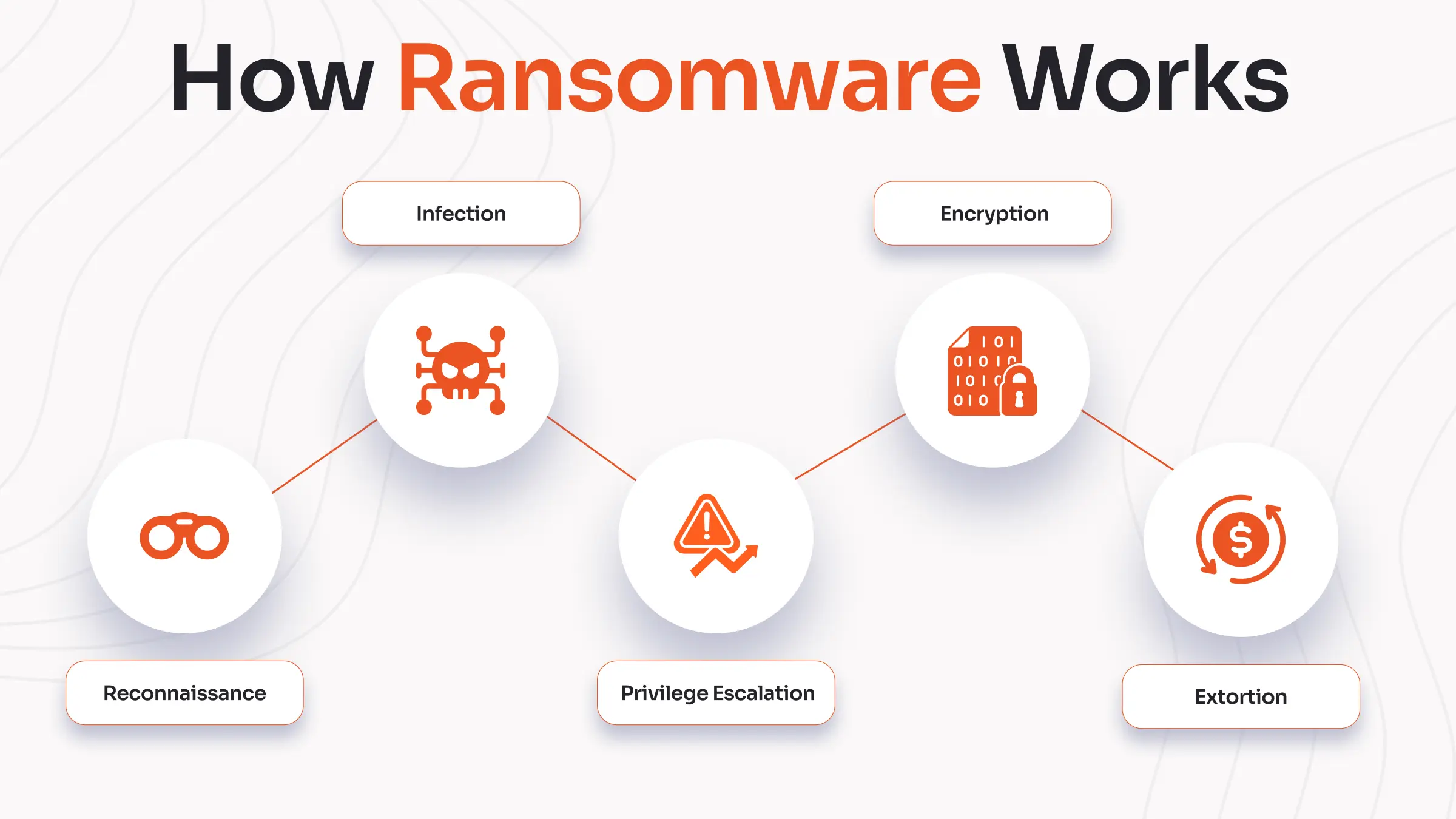
Ransomware has evolved significantly from its early days of simple encryption schemes to complex, multi-stage attacks that can cripple entire organizations. The Reynolds ransomware, with its Bring Your Own Vulnerable Driver (BYOVD) technique, represents a new level of sophistication in cybercrime. BYOVD exploits legitimate but vulnerable driver software to disable security tools, allowing the ransomware to operate undetected.
This evolution is not just about technological advancements; it reflects a deeper understanding by cybercriminals of how organizations operate and protect themselves. By targeting specific security programs from industry leaders like Avast, CrowdStrike Falcon, Palo Alto Networks Cortex XDR, Sophos, and Symantec Endpoint Protection, Reynolds demonstrates a strategic approach that aims to dismantle the very foundations of an organization's defense mechanisms.
The Regional Impact: Focus on North East India
The North East region of India, with its growing digital infrastructure and increasing reliance on technology, is particularly vulnerable to such advanced threats. According to a report by the Indian Computer Emergency Response Team (CERT-In), the region has seen a 30% increase in cyber attacks over the past year, with ransomware being a significant contributor. The economic impact of these attacks is substantial, with small and medium-sized enterprises (SMEs) often bearing the brunt.
For instance, a recent survey by the Confederation of Indian Industry (CII) revealed that over 50% of SMEs in the North East region have experienced a cyber attack in the past two years, with ransomware being the most common type. The financial losses from these attacks can be crippling, with some businesses reporting losses of up to INR 50 lakh (approximately USD 67,000).
The Need for Advanced Defensive Strategies
The sophistication of Reynolds ransomware underscores the need for heightened vigilance and advanced defensive strategies. Traditional security measures, such as antivirus software and firewalls, are no longer sufficient to protect against these evolving threats. Organizations must adopt a multi-layered approach to cybersecurity, incorporating advanced threat detection, regular security audits, and employee training.
One effective strategy is the implementation of Endpoint Detection and Response (EDR) solutions. EDR tools provide real-time monitoring and response capabilities, allowing organizations to detect and mitigate threats before they can cause significant damage. However, as Reynolds has demonstrated, even EDR solutions can be compromised if not properly secured.
Examples and Case Studies
Lessons from Previous Ransomware Attacks
The tactics employed by Reynolds are not entirely new. Previous ransomware attacks, such as Ryuk in 2020 and Obscura in late August 2025, have also utilized BYOVD components to evade detection. The Ryuk ransomware, for instance, targeted healthcare organizations and critical infrastructure, causing widespread disruption and financial losses. The Obscura ransomware, on the other hand, focused on educational institutions, highlighting the diverse range of targets that cybercriminals can exploit.
These examples serve as valuable case studies for organizations looking to bolster their cybersecurity defenses. By analyzing the methods and impacts of these attacks, organizations can gain insights into the strategies and tools needed to protect against similar threats.
Practical Applications of Advanced Cybersecurity Measures
In the North East region of India, several organizations have already begun implementing advanced cybersecurity measures to combat the rising threat of ransomware. For example, a leading IT company in Assam has adopted a comprehensive cybersecurity framework that includes regular security audits, employee training programs, and the deployment of advanced EDR solutions. This proactive approach has significantly reduced the company's vulnerability to ransomware attacks.
Similarly, a healthcare provider in Meghalaya has implemented a multi-layered security strategy that combines traditional security measures with advanced threat detection tools. This approach has not only enhanced the organization's ability to detect and respond to threats but has also improved its overall cybersecurity posture.
Conclusion
The emergence of the Reynolds ransomware, with its sophisticated evasion tactics, serves as a wake-up call for organizations worldwide. The ever-evolving nature of cyber threats requires a proactive and comprehensive approach to cybersecurity. In the North East region of India, where the digital infrastructure is rapidly expanding, the need for advanced defensive strategies is more pressing than ever.
By learning from previous ransomware attacks and implementing practical applications of advanced cybersecurity measures, organizations can better protect themselves against the growing threat of ransomware. The key lies in staying informed, adopting a multi-layered approach to security, and fostering a culture of vigilance and preparedness. Only then can organizations hope to stay one step ahead of the cybercriminals and safeguard their digital assets in an increasingly interconnected world.