Unveiling the Ransomware Ecosystem: A Comprehensive Analysis
Introduction
In the ever-evolving landscape of cybersecurity, ransomware has emerged as one of the most formidable threats. This malicious software encrypts a victim's files and demands payment, usually in cryptocurrency, in exchange for the decryption key. The sophistication and prevalence of ransomware attacks have reached unprecedented levels, making it imperative to understand the underlying infrastructure and tactics employed by cybercriminals. This analysis delves into the intricate web of ransomware-as-a-service (RaaS) ecosystems, with a particular focus on the implications for the North East India region.
Main Analysis: The Anatomy of a Ransomware Attack
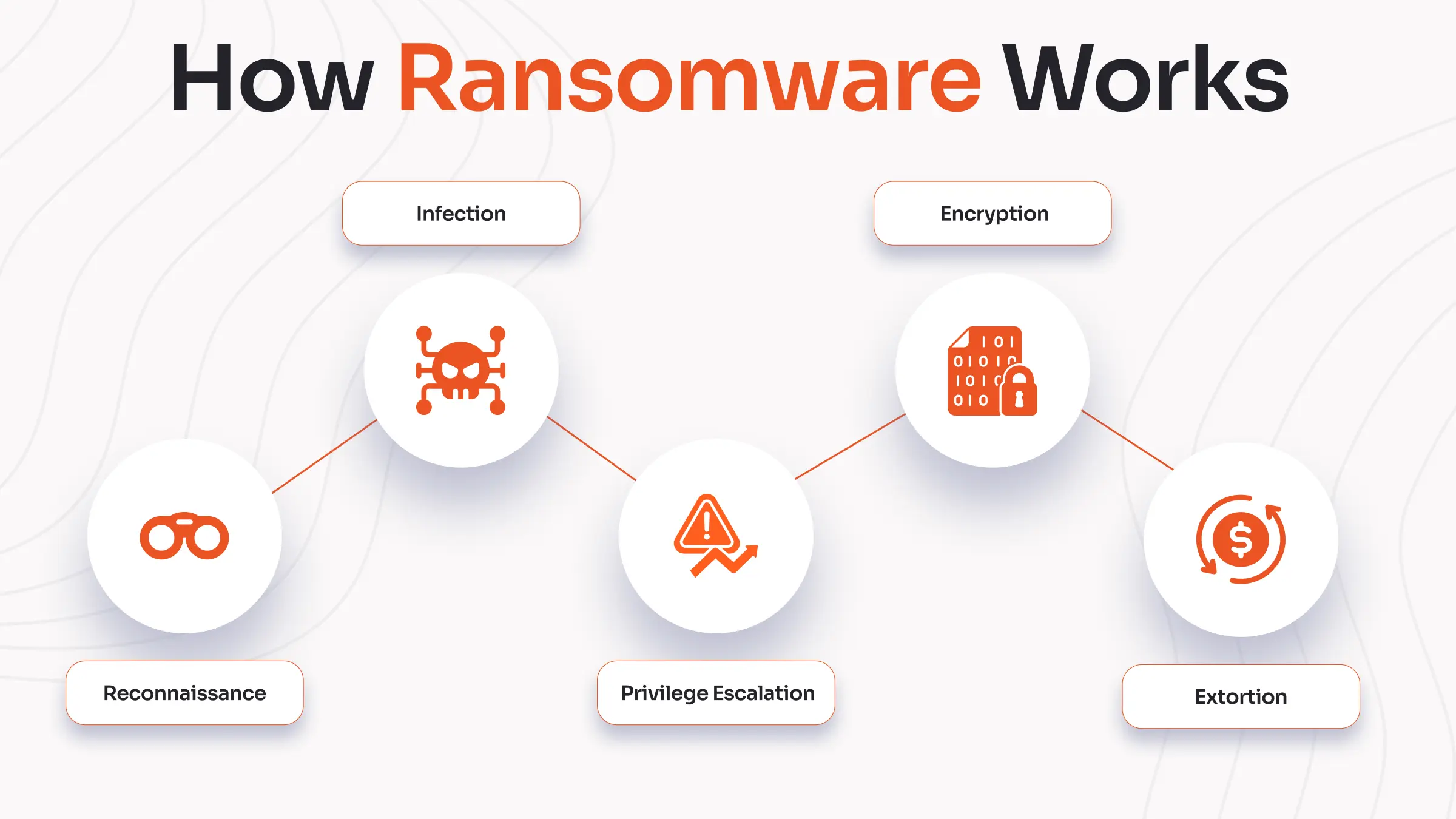
Ransomware attacks are not spontaneous events; they are meticulously planned and executed operations that leverage a complex infrastructure. The ransomware ecosystem comprises various components, including the malware itself, command and control (C2) servers, payment systems, and distribution networks. Understanding this ecosystem is crucial for developing effective defense strategies.
The Role of Brute Force Attacks
Brute force attacks are a common entry point for ransomware. These attacks involve systematically trying all possible combinations of credentials until the correct one is found. Remote Desktop Protocol (RDP) servers, which are often exposed to the internet for legitimate business purposes, are prime targets for such attacks. Once an RDP server is compromised, attackers can gain unauthorized access to the network, paving the way for further exploitation.
Credential-Hunting and Lateral Movement
After gaining initial access, threat actors typically engage in credential-hunting activities. This involves enumerating domain credentials and identifying high-value targets within the network. The compromised credentials are then used to move laterally within the network, allowing attackers to gain access to more sensitive information and systems. This lateral movement is a critical phase in the ransomware attack lifecycle, as it enables attackers to maximize their impact.
The Ransomware-as-a-Service (RaaS) Model
The RaaS model has revolutionized the ransomware landscape by lowering the barrier to entry for cybercriminals. In this model, ransomware developers lease their malware to affiliates, who then carry out the attacks. The developers provide the necessary infrastructure, including C2 servers and payment systems, while the affiliates handle the distribution and execution of the attacks. This division of labor allows for a more scalable and efficient ransomware operation.
Examples: Real-World Ransomware Incidents
To illustrate the complexity and impact of ransomware attacks, let's examine some real-world incidents:
WannaCry: A Global Epidemic
In May 2017, the WannaCry ransomware outbreak infected hundreds of thousands of computers across 150 countries. The attack exploited a vulnerability in Microsoft Windows and spread rapidly through networked systems. The global impact of WannaCry highlighted the potential for ransomware to cause widespread disruption, affecting critical infrastructure and services.
NotPetya: Targeted Disruption
In June 2017, the NotPetya ransomware attack targeted Ukrainian organizations, causing significant disruption to businesses and critical infrastructure. The attack spread through a compromised software update, highlighting the importance of supply chain security. NotPetya demonstrated the potential for ransomware to be used as a tool for targeted disruption, rather than purely for financial gain.
Ryuk: The Rise of Targeted Ransomware
Ryuk ransomware, first identified in 2018, has been responsible for numerous high-profile attacks on organizations worldwide. Unlike other ransomware variants, Ryuk is typically deployed manually by attackers after gaining access to the network through phishing or other means. This targeted approach allows attackers to maximize their impact and demand higher ransom payments.
Regional Impact: North East India
The North East India region is not immune to the threat of ransomware. With its growing digital infrastructure and increasing reliance on technology, the region presents an attractive target for cybercriminals. The potential impact of a ransomware attack on critical infrastructure, such as healthcare, education, and government services, could be devastating.
Cybersecurity Challenges in North East India
North East India faces several unique challenges in the realm of cybersecurity. Limited resources, lack of awareness, and inadequate infrastructure make it difficult for organizations to implement robust defense mechanisms. Additionally, the region's geographical isolation and diverse cultural landscape present additional obstacles to effective cybersecurity governance.
Building Resilience Against Ransomware
To mitigate the risk of ransomware attacks, organizations in North East India must prioritize cybersecurity. This includes implementing strong access controls, regularly updating software, and conducting regular security audits. Additionally, investing in cybersecurity education and training can help build a more resilient workforce, better equipped to identify and respond to potential threats.
Conclusion
The ransomware ecosystem is a complex and evolving threat that requires a comprehensive understanding of its infrastructure and tactics. By analyzing real-world incidents and examining the regional impact, we can gain valuable insights into the challenges and opportunities for building resilience against ransomware. In North East India, addressing the unique cybersecurity challenges and investing in robust defense mechanisms will be crucial for protecting critical infrastructure and ensuring the region's digital future.