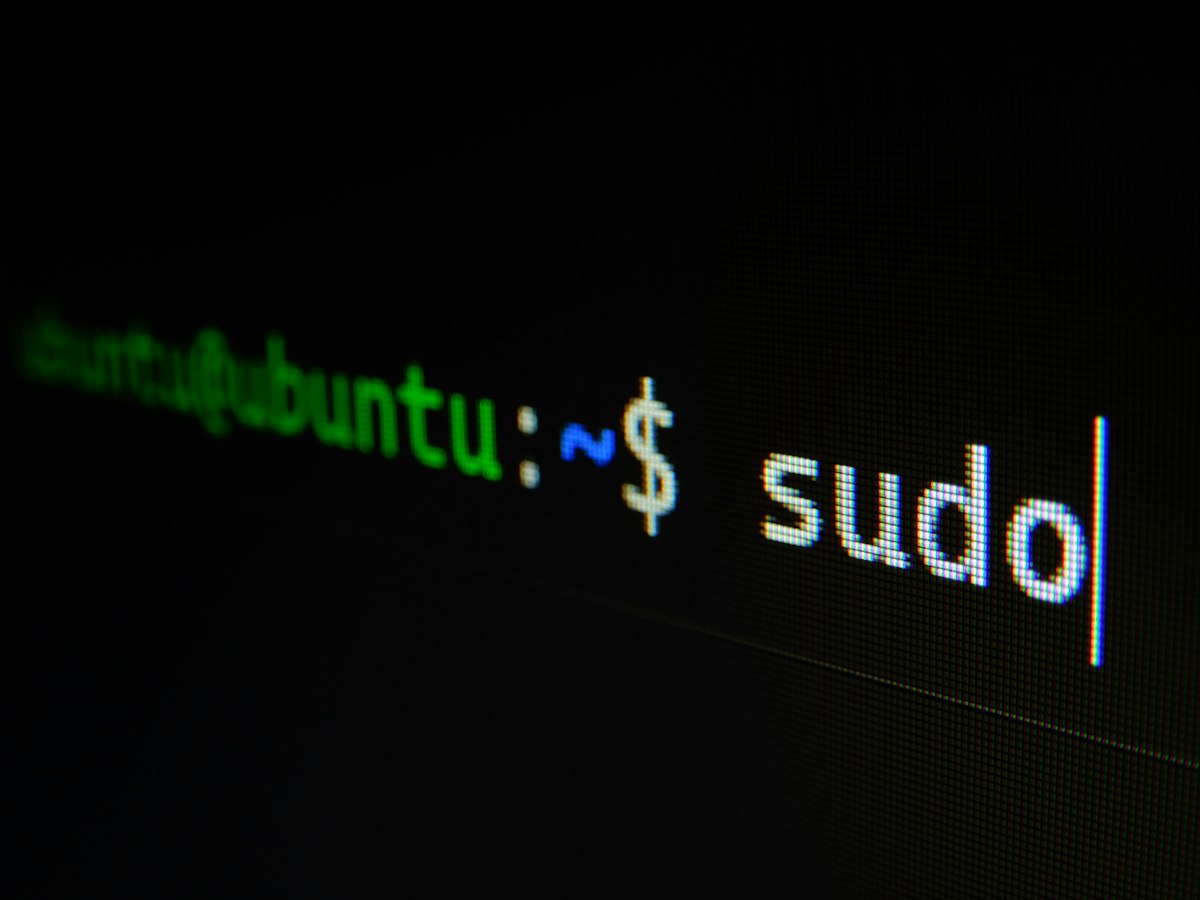
Embracing Linux Desktop: A New Era for Tech Enthusiasts
The Rising Tide of Linux Adoption
In the realm of personal computing, a significant shift is underway, with Linux gaining traction as a viable alternative to traditional operating systems. This transition, long in the making, has been fueled by improvements in speed, stability, and flexibility that Windows often lacks.
The Case for Virtual Machines
For many, the primary concern preventing a full-fledged switch to Linux has been compatibility with specific applications and games. However, the advent of virtual machines has addressed this issue, enabling users to run Windows within Linux environments seamlessly.
Isolation and Efficiency
By running Windows in a virtual machine, users can isolate it from the Linux system, reducing common frustrations associated with Windows, such as updates that might break the bootloader or driver issues. In the event of any problems, users can simply roll back to a snapshot rather than troubleshooting the entire system.
Performance and Flexibility
Performance concerns have also been alleviated, as virtual machines run efficiently on most systems, and users can even migrate VMs to other hosts, such as Proxmox, for added convenience.
The North East Connection
The shift towards Linux adoption holds relevance for the North East region, which boasts a vibrant tech scene and a growing number of tech-savvy individuals. As Linux becomes more user-friendly and versatile, it offers an attractive alternative to traditional operating systems, particularly for those seeking a more open-source, customizable computing experience.
Reflections and Future Implications
As more users embrace Linux, the platform's ecosystem will continue to grow, attracting developers and fostering innovation. This could potentially lead to further improvements in performance, stability, and compatibility, making Linux an increasingly appealing choice for a wider audience.